





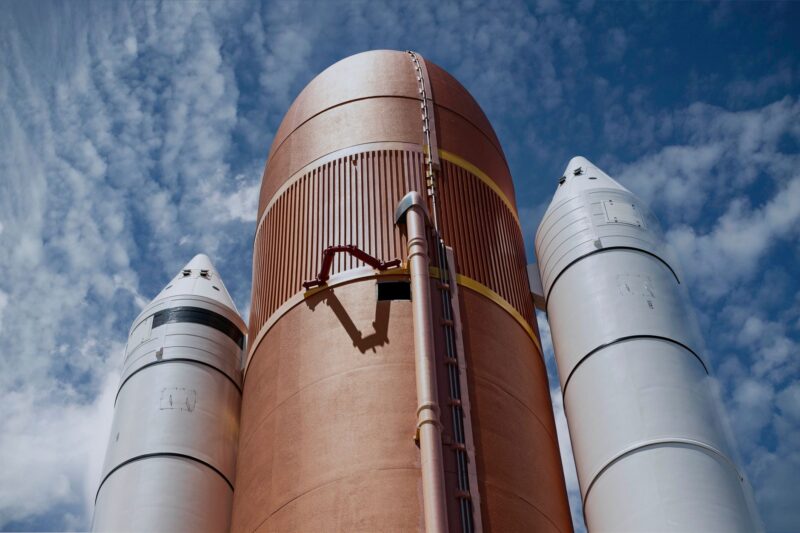
A company that builds rockets is now worth more on paper than the store that ships you toilet paper, books, and a new toaster all in the same box. The latest SpaceX valuation has crossed roughly $2.7 trillion, edging past Amazon (Bloomberg). Let that sit for a second.If you’d said this out loud five years ago, people would have laughed politely and changed the subject. Today it’s a headline. So what changed, and should you actually care?
How a Rocket Maker Became Worth More Than Amazon
Wait Is That $2.7 Trillion Even Real?
Short answer: sort of. And this is where I’d ask you to slow down before you get swept up in the number.Amazon’s value is set by a public market. Millions of people buy and sell its shares every single day, and that constant tug-of-war produces a price you can trust to be roughly honest. If you’re curious, Amazon’s market cap over time is a useful baseline for any comparison.SpaceX is private. Its valuation comes from negotiated deals insiders selling shares to chosen investors at an agreed price. There’s no open auction, no daily reality check. It’s less “what the world will pay” and more “what a handful of people agreed to last quarter.” If the mechanics feel fuzzy, this primer on how private company valuations work spells out the difference.That doesn’t make the figure fake. But it does make it softer than it looks. A few things worth keeping in your back pocket:- The number can move fast in both directions. Private valuations tend to leap upward in good times and quietly sag when the mood sours.
- You can’t buy in. Unless you’re an insider or a large fund, those shares aren’t available to regular folks like you and me. Here’s more on can retail investors buy SpaceX stock.
- It’s a snapshot, not a scoreboard. Comparing a negotiated private price to a live public one is a bit like comparing a house’s asking price to one that actually sold.
Why This Actually Matters Beyond the Headline
Okay, but strip away the trillion-dollar theater. Why should you, scrolling through this on a Tuesday, give it a second thought?Because it signals where real money believes the future is heading. For two decades, the biggest companies on earth were built on screens search, social, shopping, software. SpaceX is built on physical infrastructure in orbit. That’s a genuine shift, and it tends to drag whole industries along with it.Think about who feels the ripple:- Rural and remote users folks who’ve been stuck with internet that drops every time it rains finally have a real option.
- Traditional telecom giants the cable and phone companies now have a competitor that ignores their wires entirely.
- Astronomers and your night sky thousands of bright satellites streak across telescope images, and that’s a real, ongoing fight.
- Anyone who cares about one company owning the on-ramp to space when a single firm dominates both launches and satellite internet, that’s a lot of leverage in very few hands.
Cheering the engineering and questioning the concentration of power are not opposites. You can and probably should do both at once.
What You Can Do With This